A tree falling on your house is the kind of situation that instantly turns chaotic. One minute you are watching a storm roll through, and the next you are dealing with storm damage, confusion, and many unanswered questions about what to do next.
The most important thing in the moment is safety. Once everyone is okay, the next priority is to prevent further damage and properly assess the situation. If a tree has fallen on your house, here’s what to do next and who to call.
Make Sure Everyone Is Safe First
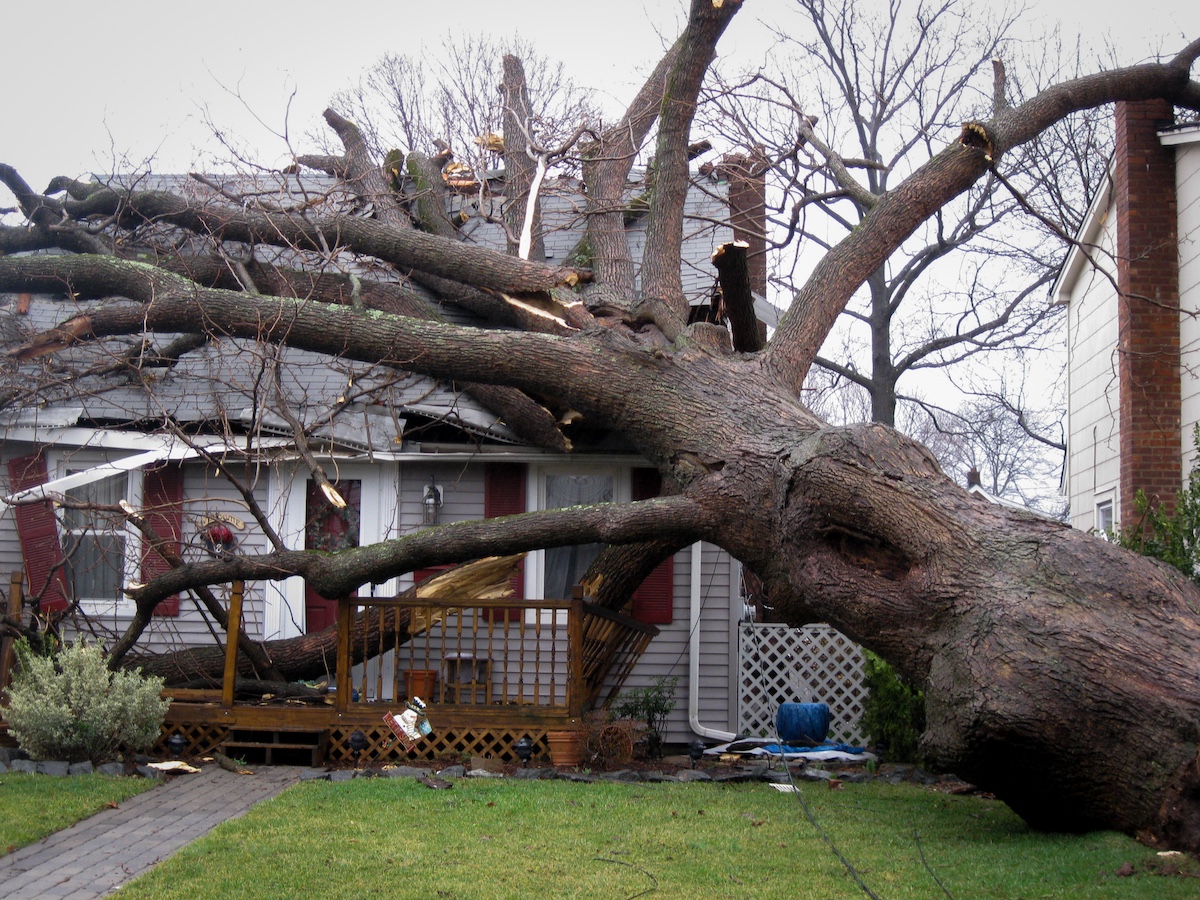
Before worrying about the damage, check that everyone in your home is safe, including pets. If the tree caused structural damage, exposed electrical wires, or a gas smell, leave the home immediately and call emergency services if necessary.
Damaged roofs or walls can become more dangerous over time, especially if the storm is still active. Even if the damage looks minor from the outside, avoid standing near sagging ceilings, broken rafters, or impacted sections of the home.
If anyone is injured or there is an immediate hazard, call emergency services first.
Stay Away From the Tree
A fallen tree can continue shifting after impact. Branches may still be under pressure, and damaged limbs can break unexpectedly. Large branches can still move suddenly, especially if they are partially suspended on the roof or tangled with other limbs. If the tree came down near power lines, stay far away and contact the utility company immediately.
One of the biggest mistakes homeowners make is trying to cut or move branches themselves before the area has been properly assessed. Storm-damaged trees are unpredictable. What looks manageable from the ground can be under significant tension.
Document the Damage
Once everyone is safe, start documenting the damage for insurance purposes.
Take photos of:
- The tree and where it landed
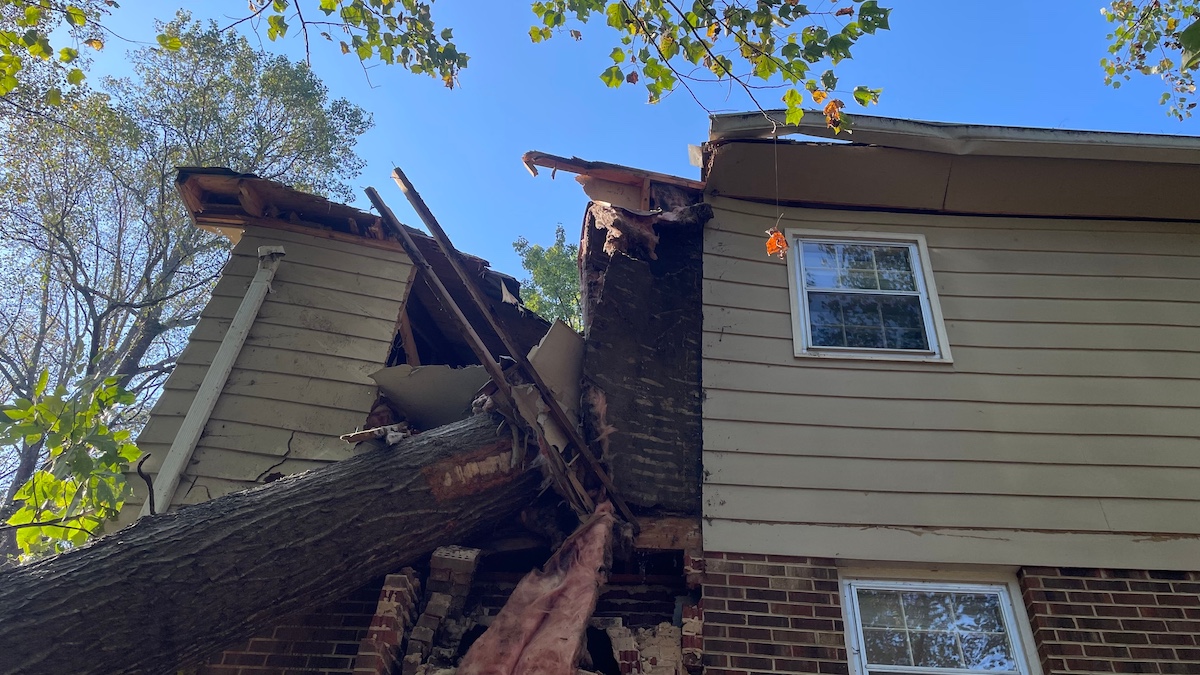
- Roof damage
- Broken windows or siding
- Interior leaks or water damage
- Any damage to vehicles, fences, or nearby structures
The more documentation you have early on, the easier the claims process usually becomes later. If possible, take note of when the damage occurred and the weather conditions.
Contact Your Homeowner’s Insurance
After documenting the damage, contact your insurance provider. Most policies cover damage when a tree impacts a structure, especially during storms.
Coverage may vary depending on the policy and the condition of the tree beforehand. It is also common for insurance companies to ask homeowners to take reasonable steps to prevent additional damage, especially if rain is expected.
Most insurance companies will want:
- Photos of the damage
- A description of what happened
- Information about emergency mitigation or temporary repairs
Call a Professional Tree Service
Once the immediate situation is under control, contact a professional tree care company skilled in emergency tree removal. This is not standard cleanup work, especially when large limbs or trunks are resting on a structure and still under tension.
These fallen trees usually require specialized equipment and careful removal methods to prevent creating extra structural damage during cleanup. Damaged trees can still shift suddenly once cutting begins, which is why this type of work should only be handled by experienced crews trained in hazardous removals.
At Abbott Tree Care, emergency tree work is handled by experienced arborists and crews who are familiar with complex storm-damage situations. Our team knows how to safely assess the damage, stabilize the area, and remove the tree as carefully as possible.
Every emergency is different. Some trees require full removal right away, while others may still have portions that can be preserved. Either way, the priority is making the property safe and helping prevent further damage to the home.
The emergency tree removal process typically means:
- Crews use cranes and specialized equipment.
- Rigging systems are needed to safely lift weight off the structure.
- They will work around power lines and unstable limbs.
Avoid DIY Removal
After something like this happens, most homeowners want to start cleaning up right away. That reaction makes sense. The problem is that trees resting on a house can be extremely unpredictable, especially after storm damage.
Everything can appear stable to the untrained eye, but branches and trunk sections can still be under tension. Once the weight starts shifting during cleanup, large sections of the tree can move or collapse without warning. Parts of the roof can also be weaker than they appear after the impact, creating another level of risk.
That is why this type of removal is usually left to crews that specialize in storm damage and technical tree work. What looks like simple debris is often much more complicated once the removal process begins.
Look for Hidden Damage
Some damage is obvious right away. Other problems may not show up until later.
After the tree is removed, inspect for:
- Roof leaks
- Structural shifting
- Damaged gutters
- Cracks around windows or ceilings
- Water intrusion into insulation or drywall
Even a smaller impact can compromise parts of the structure that are not instantly visible from the outside.
Why Trees Fall on Houses
Inspections and preventive tree care usually include:
- Structural pruning
- Deadwood removal
- Monitoring for decay or disease
- Evaluating trees after major storms
- Identifying trees with stability risks
In our area, some of the most common causes for trees falling include:
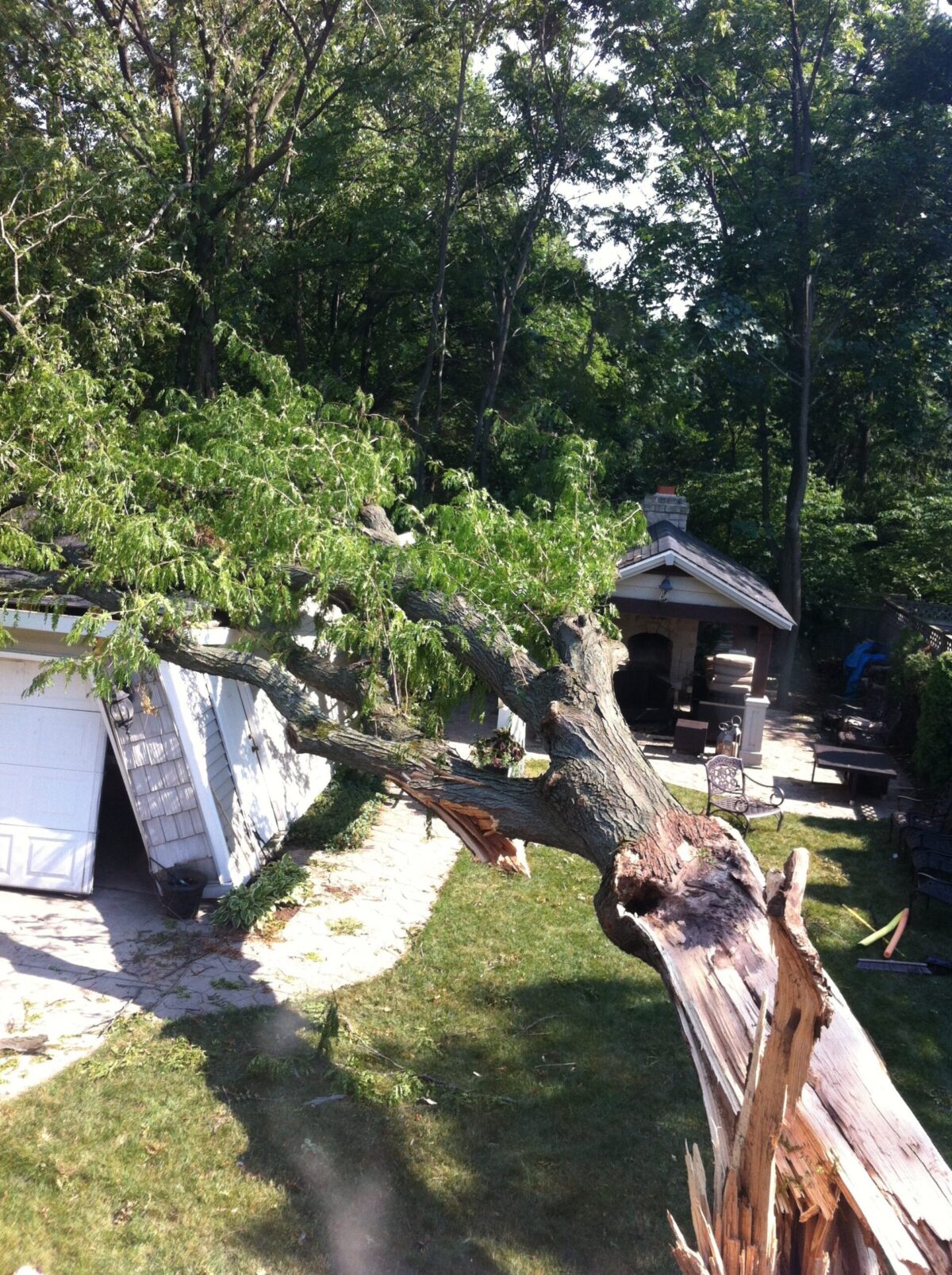
Storm Damage: Heavy winds, saturated soil, ice accumulation, and lightning can all weaken trees.
Internal Decay: Trees can appear healthy on the outside but may develop significant internal decay. Hollow sections, root rot, or structural flaws are not always obvious to the untrained eye.
Dead or Overextended Limbs: Large limbs that are dead, cracked, or poorly attached become more likely to fail during storms.
Root Problems: Construction damage, compacted soil, and poor drainage can weaken root systems over time, reducing stability.
Having a tree fall on your house is stressful. In most cases, homeowners are forced to make quick decisions in situations they have never faced before. The most important thing is to focus on safety, then bring in professionals who know how to handle storm-damaged trees properly.
Abbott Tree Care provides 24-hour emergency tree services throughout Chicagoland, including storm-damaged tree removal and post-storm assessments. If you are dealing with a fallen tree after a storm, our team can help assess the damage and guide you through the removal process.