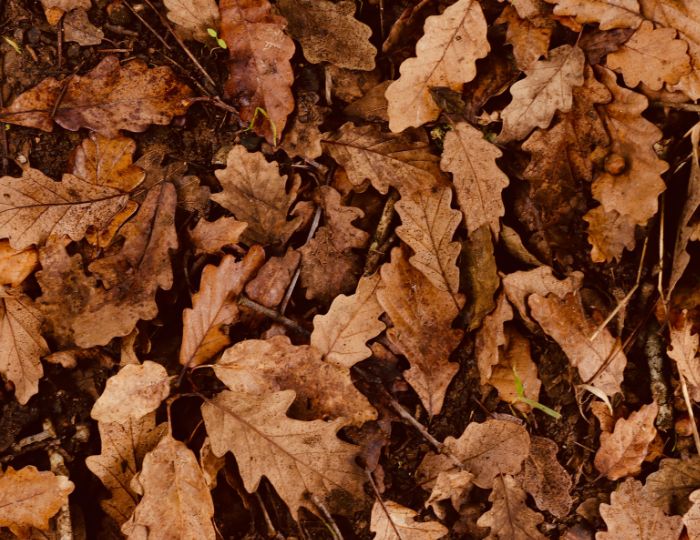
Fall naturally brings changing leaves and eventual leaf drop. But when a tree starts turning brown unusually early, loses leaves well ahead of neighboring trees, or develops unusual spots and discoloration, it may be showing more than ordinary seasonal change.
Trees respond to stress in many ways, and foliage is often one of the first places homeowners notice something is different.
At Abbott Tree Care, we encourage property owners to look beyond the color of an individual leaf and consider the tree as a whole. Soil conditions, water availability, pests, diseases, root problems, and environmental stress can all affect how a tree looks as the growing season winds down.
Understanding what you’re seeing can help you determine whether your tree is simply preparing for winter or could benefit from professional attention.
Is Early Leaf Drop Always a Problem?
No. Trees naturally shed their leaves as they transition toward winter dormancy.
Timing can vary by tree species and conditions, so one tree changing color before another doesn’t necessarily indicate a health problem.
What deserves closer attention is a noticeable change from what’s normal for that particular tree.
For example, you may want to investigate if:
- Leaves begin browning much earlier than expected
- Large portions of the canopy lose leaves prematurely
- One section of the tree looks significantly different from the rest
- Leaves show unusual spotting or damage
- Branches appear bare while the surrounding canopy remains healthy
- The tree has shown declining vigor over multiple seasons
These symptoms don’t identify one specific problem by themselves. Instead, they can provide clues that something is stressing the tree.
Water Stress Can Show Up in the Canopy
Trees need adequate water, but both too little and too much can create problems.
Periods of hot, dry weather can stress trees, especially when adequate moisture isn’t available to the root system. Abbott Tree Care’s guide to watering trees and preparing for summer drought discusses the importance of planning for dry summer conditions.
At the other extreme, excessive water can also be problematic.
Oversaturated soil can affect the environment around tree roots. Abbott Tree Care has additional information about preventing oversaturated soil and helping flooded trees recover after heavy rain.
If your tree experienced unusually wet or dry conditions earlier in the year, symptoms may become more noticeable as the season progresses.
Soil Health Matters More Than Many Homeowners Realize
When homeowners see declining leaves, their attention naturally goes upward.
But part of the explanation may be underground.
Healthy soil supports the root system that trees depend on. Compacted, poorly draining, or otherwise unhealthy soil conditions can contribute to tree stress.
That’s why evaluating a struggling tree shouldn’t stop at its branches and leaves.
Our guide explaining why soil health matters provides additional context about the relationship between soil and plant health.
Roots Can Create Problems Too
Root issues may also contribute to declining tree health.
One example is girdling roots, which can interfere with the normal development and function of a tree. Learn more about what girdling roots are and why they deserve attention.
Because so much of a tree’s root system is out of sight, professional evaluation can be especially useful when symptoms above ground don’t have an obvious explanation.
Pests and Diseases Can Cause Unusual Fall Symptoms
Discolored, spotted, damaged, or prematurely falling leaves may sometimes be associated with pest or disease activity.
Abbott Tree Care has covered some of the most common tree diseases as well as common tree pests in Illinois.
The important thing is not to diagnose a tree from leaf color alone.
Similar-looking symptoms can have different causes. Treating the wrong problem wastes time and may fail to address what’s actually affecting the tree.
Professional tree care can help identify patterns across the canopy, trunk, branches, roots, and surrounding site.
Look for More Than Brown Leaves
If you’re concerned about a tree, inspect it from a safe distance and consider the entire structure.
Are branches dying back?
Does the canopy appear thinner than it used to?
Is bark damaged?
Are there unusual growths, cracks, or wounds?
Has the tree started leaning?
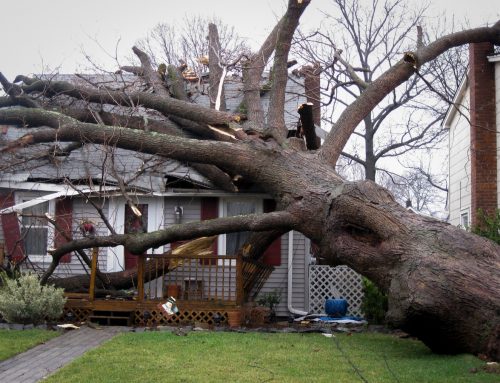
Have storms recently damaged branches?
Is the tree declining year after year?
A combination of symptoms generally provides more useful information than leaf color by itself.
If storm damage is part of the picture, review Abbott Tree Care’s guidance on what to do after a storm.
Plant Healthcare Can Take a Broader Approach
Waiting until a tree is severely declining can limit your options.
A proactive approach looks at tree health more comprehensively.
Abbott Tree Care’s overview of plant healthcare explains this broader approach to caring for plants and addressing health concerns.
Fall can be a useful time to take stock of your property. With foliage changing and winter approaching, homeowners have an opportunity to identify trees that behaved unusually during the growing season and determine whether further evaluation is appropriate.
When Should You Call a Tree Care Professional?
Consider professional evaluation when a tree shows substantial or unexplained changes, particularly when symptoms persist or worsen.
Working with qualified professionals can be especially valuable when you’re unsure whether you’re seeing normal seasonal behavior, environmental stress, pests, disease, root problems, or structural concerns.
Abbott Tree Care has also explained the benefits of hiring a certified arborist and what homeowners should consider when choosing a tree service.
If you’re concerned about a tree on your property, you can request an estimate from Abbott Tree Care to discuss the next step.
Key Takeaways
- Fall leaf color and leaf drop are natural, but unusually early or abnormal changes can deserve closer attention.
- Water stress may result from both dry conditions and excessive moisture.
- Soil and root health can affect symptoms visible throughout the tree.
- Pests and diseases can cause leaf discoloration or premature leaf drop.
- Leaf symptoms alone aren’t enough to reliably identify every tree problem.
- Consider the entire tree, including its canopy, branches, trunk, roots, and surrounding conditions.
- Professional evaluation can help distinguish normal seasonal changes from signs of tree stress.