When people think about tree care, they usually focus on what they can see. The canopy, the leaves, and the branches come to mind. But the real story starts below the surface. Soil health is one of the most important and most overlooked parts of keeping trees strong, stable, and long-lasting. If the soil is not supporting the tree, everything above ground eventually reflects that.
What Soil Health Actually Means
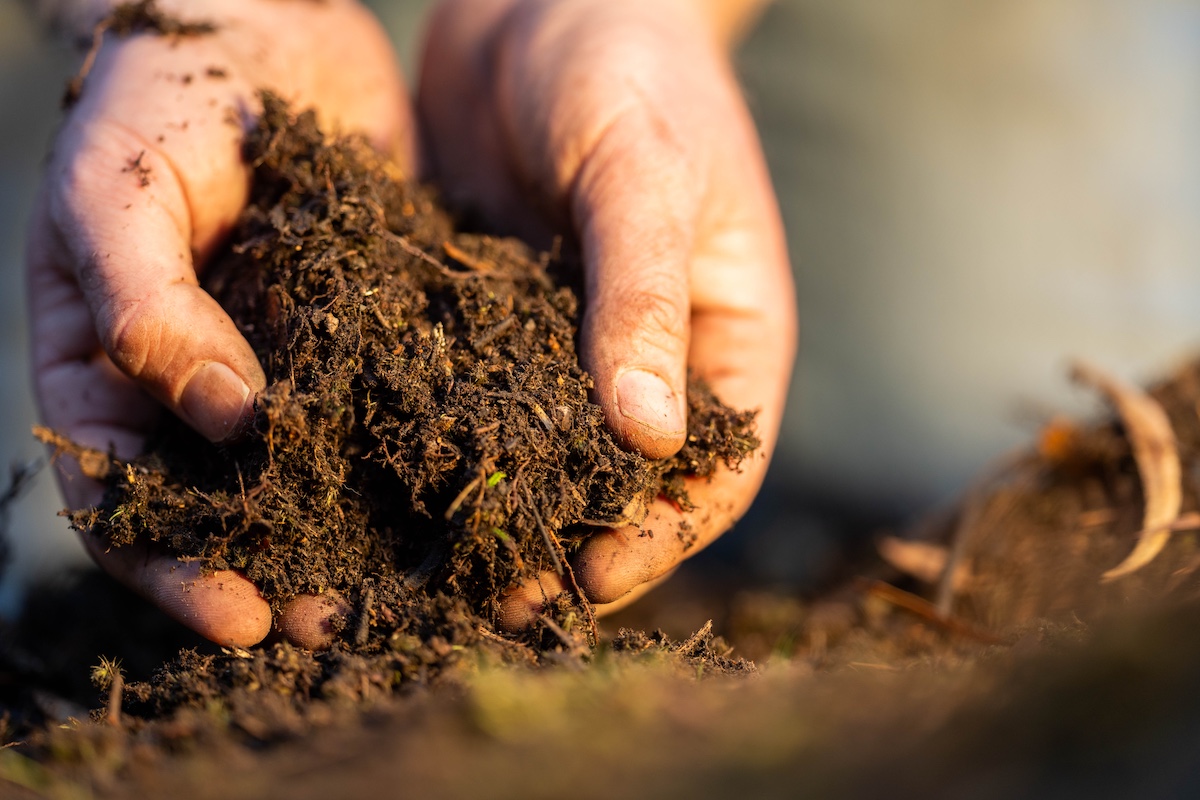
Soil health is not just about dirt. It is about how well the soil supports life. Healthy soil has the right balance of:
- Nutrients that trees need to grow
- Air pockets that allow roots to breathe
- Moisture that is available but not excessive
- Microorganisms that break down organic matter
When those elements are in balance, tree roots can grow deeper, properly absorb nutrients, and remain strong under stress. When they are not, trees struggle, even if everything above ground looks fine at first.
Soil health is not a one-time project. It is an ongoing part of proper tree care. When soil is in good condition, trees are more stable and likely to live longer, healthier lives. When ignored, small problems often turn into larger, more expensive ones.
Why Soil Health Matters for Trees
Strong roots start with healthy soil.
Roots do more than anchor a tree. They take in water and nutrients that the tree depends on every day. In compacted or poor-quality soil, roots have a hard time spreading out. They remain shallow and restricted, limiting stability and growth. Over time, this can lead to slower growth, increased stress, and a higher risk of failure during storms.
It affects how trees handle the weather.
In Illinois, trees deal with a wide range of conditions. Wet springs, dry stretches in summer, and freezing winters all put stress on the root system. Healthy soil helps regulate moisture. It holds water during dry periods and drains properly after heavy rain. Poor soil does the opposite. It either dries out too quickly or stays saturated too long. Both conditions can weaken the tree over time.
Nutrients are not always available.
Even if nutrients are present in the soil, trees may not always be able to access them. In unhealthy soil, nutrients can become unavailable due to poor structure or an imbalanced pH. That means the tree may be surrounded by nutrients it cannot use. Healthy soil supports natural processes that make nutrients available when the tree needs them.
It supports disease resistance.
Trees growing in healthy soil are better equipped to handle pests and disease. Strong roots and proper nutrient uptake support the tree’s natural defenses. Stressed trees in poor soil are more vulnerable to fungal issues, insect infestations, and long-term decline.
Common Soil Issues in Our Area
Heavy Clay Soil
Many properties have dense, clay-heavy soil. It holds water but compacts easily and drains slowly. This makes it harder for roots to grow and for oxygen to reach them.
Poor Drainage
Areas that stay wet for long periods can lead to root stress or root rot. Trees need both water and oxygen to stay healthy.
Compaction from Foot Traffic and Equipment
Construction, landscaping equipment, and repeated foot traffic compress soil over time. Compacted soil reduces air space and limits root development.
Limited Organic Matter
Soil that lacks organic material does not support the microbial activity trees rely on for nutrient cycling.
Signs Your Soil May Be Causing Problems
Soil issues do not always show up right away, but there are some clear warning signs:
- Slow or stunted growth
- Thinning canopy or smaller leaves
- Yellowing leaves during the growing season
- Increased pest or disease activity
- Water is pooling around the base of the tree
If you are seeing several of these at once, soil health could be part of the problem.
How to Improve Soil Health
Improving soil health takes time. It is about creating better conditions, not applying a quick fix.
Add Organic Material
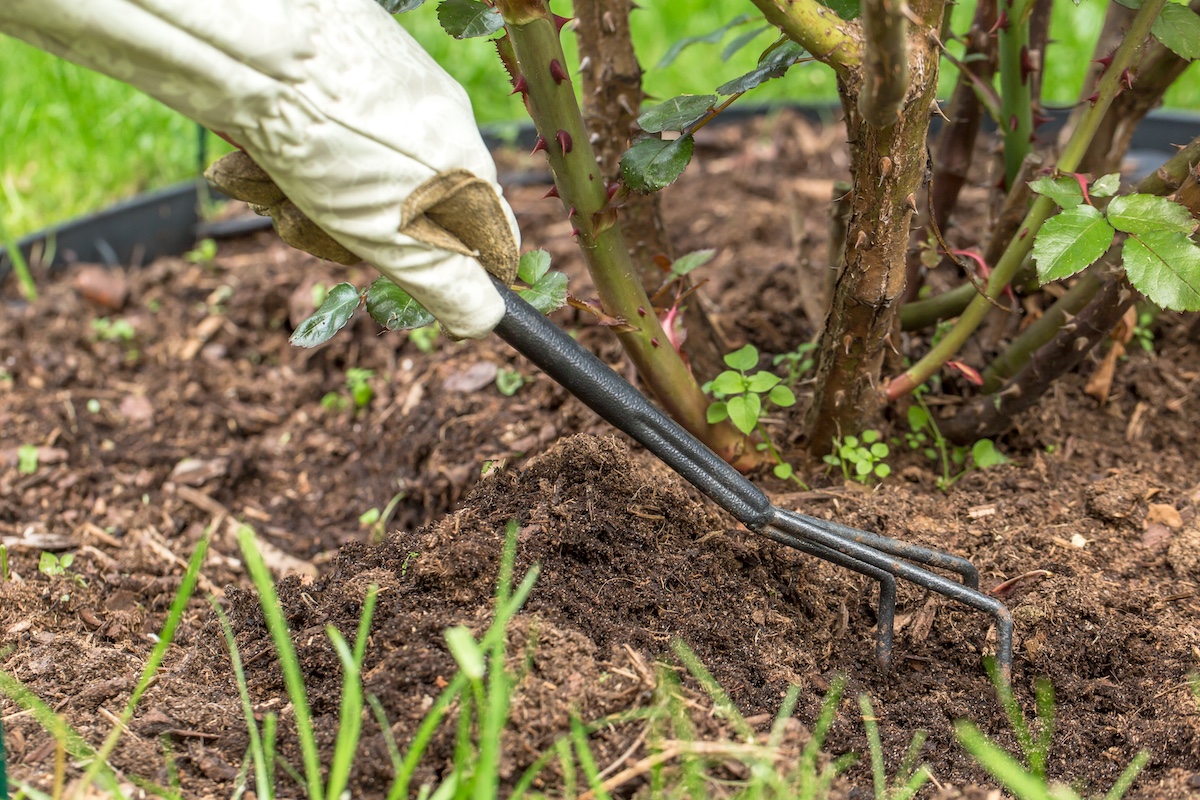
Mulch and compost improve soil structure, retain moisture, and support beneficial microbes. A proper mulch layer helps, as long as it’s not piled against the trunk.
Reduce Compaction
Limiting heavy traffic around trees helps prevent further damage. In some cases, professional aeration can relieve compacted soil.
Support Root Growth
Deep root fertilization delivers nutrients directly into the root zone, where they are most effective.
Address Drainage Issues
If water is consistently pooling, grading or drainage solutions may be needed to correct the problem.
Healthy trees start with healthy soil. If something seems off, this is often the place to start. If you are not sure what is happening below the surface of your trees, it is worth having it evaluated. At Abbott Tree Care, we look at the full picture. That includes the tree and the soil it depends on. We identify what’s limiting tree health and recommend practical solutions to improve soil health and, in turn, grow stronger trees.