Cold Midwest winters can be harsh on trees. Most people expect damage from snow, ice, or heavy winds. However, there’s another winter issue that often catches homeowners by surprise. Frost cracks are long, vertical splits in tree trunks. They can look alarming and raise concerns about safety and long-term tree health.
If you’ve noticed a sudden crack running up the trunk of one of your trees, especially after a cold snap, you’re not alone. Frost cracks are common in northern Illinois. Understanding what causes them and how to respond can help protect your trees.
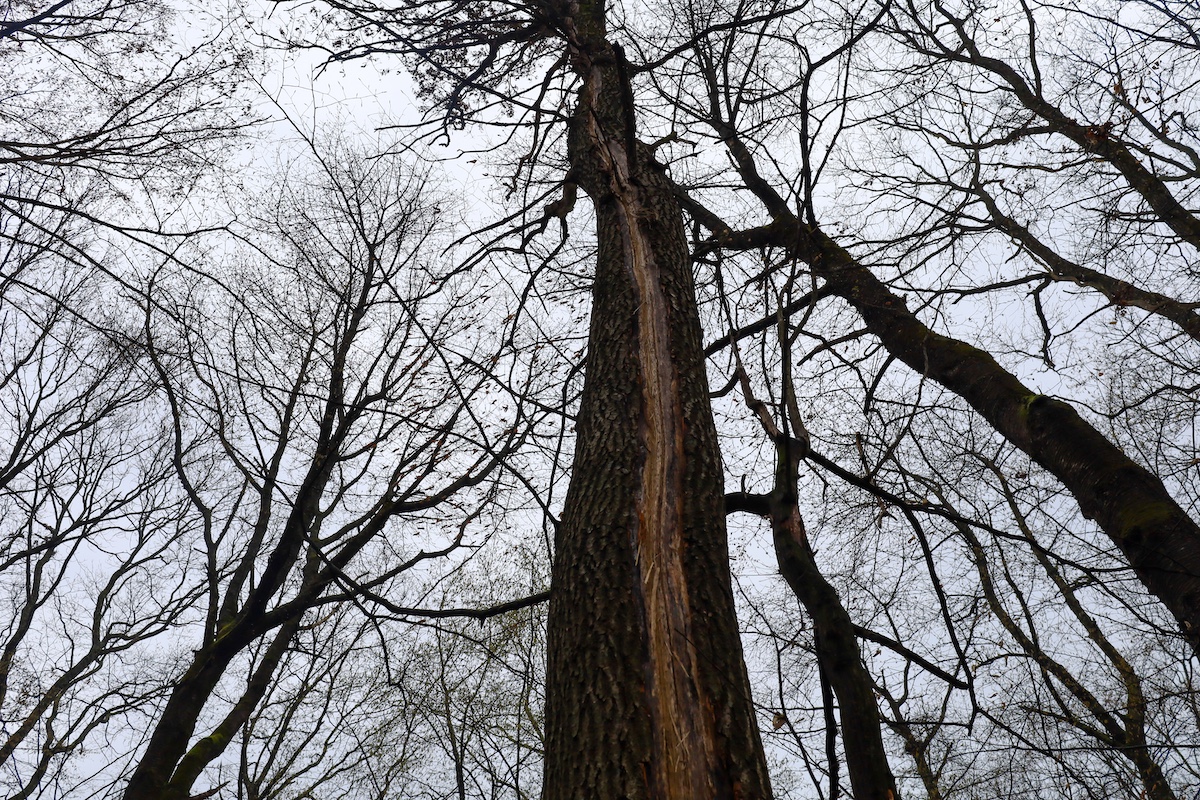
What are frost cracks?
Frost cracks are vertical splits that form in the trunk of a tree, usually during winter. They can range from a few inches to several feet and are often accompanied by a loud cracking sound. They most commonly appear on the south or southwest side of the tree, where temperature changes are the most extreme.
These cracks can open suddenly during cold weather. They may partially close again when temperatures rise, which is why they often seem to appear out of nowhere.
What causes frost cracks?
Rapid temperature fluctuations cause frost cracks. During sunny winter days, the bark on one side of the tree can warm up and expand. When temperatures drop quickly after sunset, the outer layers of the trunk cool and contract faster than the inner wood. This uneven movement creates stress, which can cause the trunk to split.
Trees Most Likely at Risk
Trees with thin bark, such as maples, lindens, and fruit trees, are more susceptible. Young trees and those already stressed by drought, poor soil conditions, or previous injuries are also more likely to develop frost cracks.
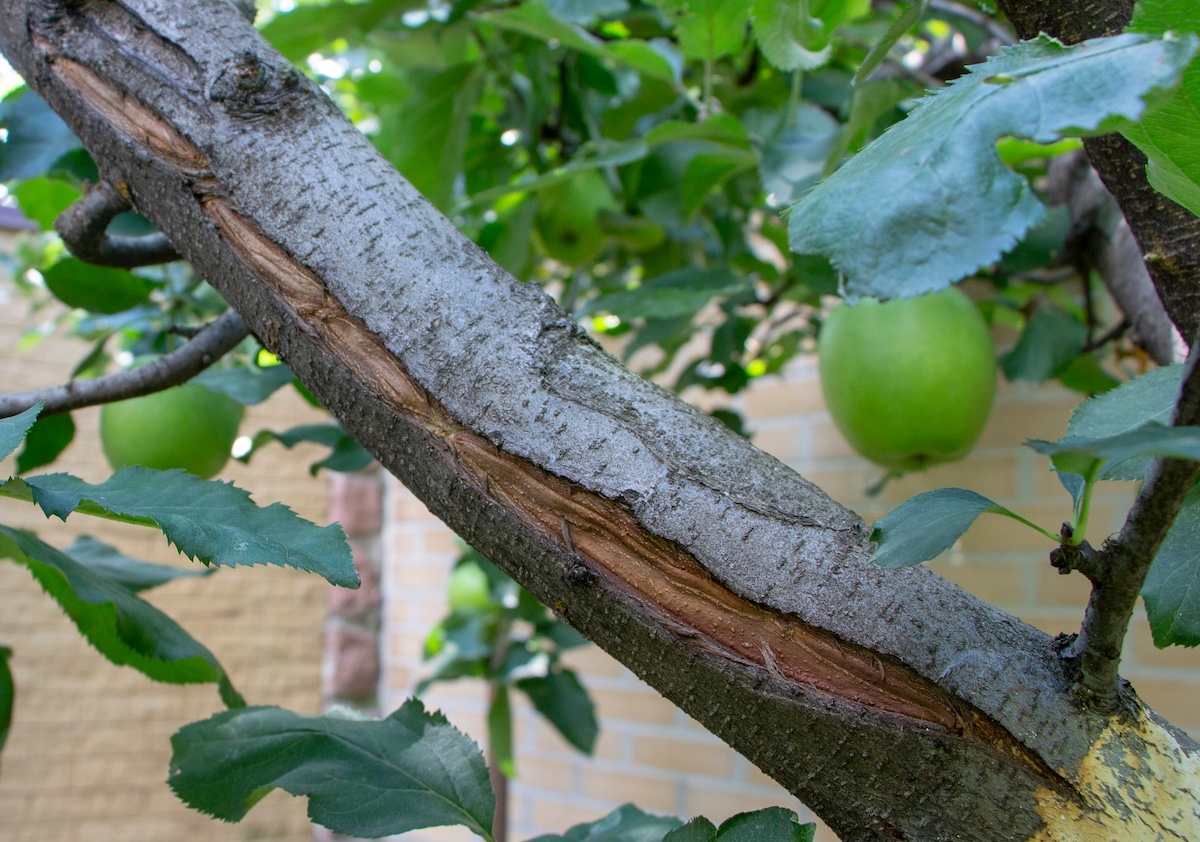
Are frost cracks dangerous?
A frost crack doesn’t automatically mean a tree needs to be removed. Many trees can survive frost cracks and continue to grow normally. However, the crack can weaken the trunk and create an entry point for insects, fungi, and decay.
Repeated cracking in the same area can compromise the tree’s structural integrity over time. That’s why it’s crucial to have frost cracks evaluated by a certified arborist, especially if the crack is large or appears to be worsening year after year.
What To Do If You Notice a Frost Crack
If you discover a frost crack, avoid the temptation to fill or seal it. Products like tree wound paint or caulk can trap moisture, potentially increasing the risk of decay. Instead, focus on supporting the tree’s overall health.
A professional arborist can assess the severity of the crack, determine whether the tree is structurally sound, and recommend next steps. In some cases, no action is needed beyond monitoring. In others, corrective pruning, structural support, or treatment may be recommended.
If a frost crack is deep and continues to reopen each winter, then it’s time to call in a professional. Abbott Tree Care can determine whether the tree poses a safety risk and help you decide whether treatment or removal is the best option.
Prevention
While frost cracks can’t always be avoided, there are steps you can take to reduce the risk. Proper tree care year-round plays a big role in prevention.
Keeping trees well-watered during dry periods, especially in late summer and fall, helps reduce stress. Applying mulch around the base of the tree regulates soil temperature and moisture. Avoiding trunk injuries from lawn equipment is also essential, as damaged bark is more vulnerable to cracking.
For young or thin-barked trees, winter trunk wrapping can help protect against extreme temperature swings. Wraps should be applied in late fall and removed in early spring to prevent moisture buildup and pest issues.
Frost cracks can look serious, but they don’t always spell disaster for your tree. With proper care and professional guidance, many trees with frost cracks can remain healthy and stable for years to come.
If you’ve noticed a crack in your tree this winter or have concerns about cold-weather damage, reach out to Abbott Tree Care. Our team is here to assess the situation and help you protect your landscape through every season.