Evergreens are some of the hardest-working trees in any landscape. They give your yard year-round color, block wind, add privacy, shelter wildlife, and boost curb appeal even in the middle of January. Just because evergreens stay green through winter doesn’t mean they don’t need care.
Ensuring the health of your evergreens is a year-round commitment, especially in the Midwest, where the weather can be harsh on trees. If you want your evergreens to stand strong, full, and healthy for decades, here are the most essential tips to keep in mind.

Keeping Evergreen Trees Healthy
Water Them the Right Way
One of the biggest mistakes homeowners make with evergreens is assuming they don’t need water once summer ends. Evergreens hold onto their needles through winter, which means they are still losing moisture when cold winds hit. If the ground goes into winter too dry, they struggle, and that stress shows up later as browning, thinning, or dieback.
Water them regularly through the fall, especially when rainfall is low. A good, slow soak that reaches the root zone is always better than frequent shallow watering. The goal is moist soil, not soggy soil.
Mulch Makes a Difference
Mulch locks moisture into the soil, keeps roots cooler in summer, protects against freezing and thawing in winter, and prevents weeds from competing for nutrients. For evergreens, those benefits are a big deal.
Spread about 2 to 4 inches of mulch around the base, making sure it doesn’t touch the trunk. A pile of mulch against the tree can trap moisture the wrong way, inviting disease and pests.
Don’t Forget the Soil
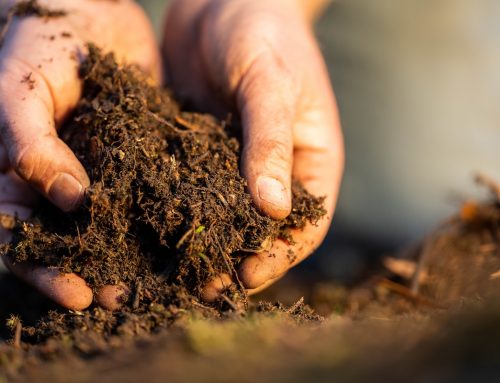
Soil health matters just as much as what’s happening above ground. Compacted soil, poor drainage, or overly wet conditions can lead to root stress and eventually root rot, which is one of the fastest ways to lose an evergreen.
If water pools around the tree after heavy rain, the soil may need improvement. This could mean adjusting drainage, aerating compacted areas, or adding organic material to help balance moisture levels.
Protect Them from Winter Stress
Winter weather can hit evergreens hard, especially when the ground freezes and the tree can’t pull water while icy winds pull moisture out of their needles. This leads to winter burn, a prevalent issue in our area. To help prevent this:
- Water deeply in late fall before the ground freezes
- Apply mulch to insulate the roots
- Plant in areas shielded from harsh winter winds
- Consider burlap protection for younger or exposed trees
Prune at the Right Time
Evergreens don’t need heavy pruning like other trees do, but occasional trimming keeps them healthy, neat, and strong. The best time to prune evergreens depends on the type. Still, generally late winter to early spring is ideal, before new growth begins.
When pruning, focus on removing dead, diseased, or damaged branches, shaping lightly, and improving airflow through the tree. Avoid cutting too deeply into older wood, as many evergreens don’t regrow full branches from old wood the way other trees can.

Watch for Common Problems
Healthy evergreens should have full, evenly colored foliage and steady new growth in spring. If something looks off, it’s worth paying attention early:
- Browning or yellowing needles outside of seasonal shedding
- Bare or thinning branches
- Sticky residue, visible insects, or webbing
- White, powdery, or crusty buildup on branches
- Soft, dark, or sunken areas on the trunk
Evergreens commonly deal with pests such as spider mites, bagworms, and scale insects, as well as diseases such as needle cast and root rot. Catching these early can save a tree, but waiting too long can make recovery much more complicated.
Consider an Arborist Checkup
Because evergreens stay green year-round, it can be harder to spot stress or early decline. A certified arborist can catch root issues, pests, nutrient deficiencies, or structural concerns long before they become apparent to the untrained eye.
Healthy evergreens don’t need complicated care, but they do need consistent attention. Watering at the right times, protecting roots, and pruning with purpose can mean the difference between a struggling tree and a thriving one. If something feels off with your evergreens, or if you want to be proactive rather than reactive, getting a professional eye on your trees can save a lot of time and money. At Abbott Tree Care, we work with homeowners to keep trees strong year-round.