When most people think about trees, they picture tall shade trees with wide canopies and lots of coverage. That works for some properties, but not every yard has the space for something that size. Ornamental trees are different. Instead of focusing on shade, they’re chosen for appearance.
They bring color, shape, and interest without taking over the landscape. You will often see them in front yards, near entryways, or used as focal points. If you’ve ever noticed a smaller tree covered in spring blooms or vibrant fall color, you were likely looking at an ornamental tree.
What makes a tree “ornamental?”
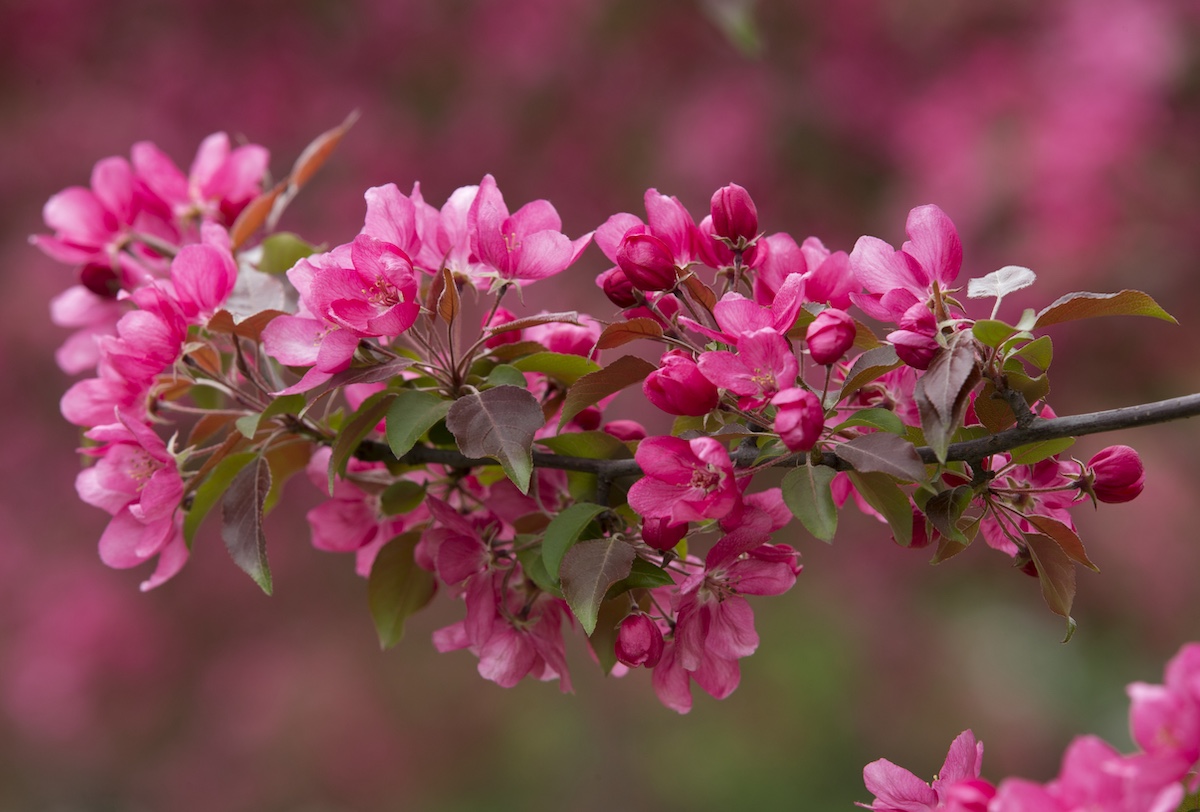
Most ornamental trees stay smaller than traditional shade trees. Many are used in front yards, along walkways, or as focal points in landscape design. Ornamental trees are usually planted for their distinct look:
- Flowers in the spring
- Unique leaf color
- Interesting bark
- Fall color
- Overall shape or structure
That said, they are not just decorative. They still provide benefits like light shade, habitat for pollinators, and improved curb appeal. They just do it in a more controlled, design-focused way.
Why Homeowners Choose Ornamental Trees
- They fit smaller spaces: Ornamental trees work well in tight areas without overcrowding.
- They add seasonal interest: Most ornamental trees change throughout the year with flowers in spring, full foliage in summer, and colorful leaves in fall.
- They create focal points: Ornamental trees are often meant to stand out and often highlight a specific part of the property.
- They complement larger trees: They are often used alongside larger trees to create contrast in size, color, and shape.
Common Ornamental Trees in Our Area

Crabapple
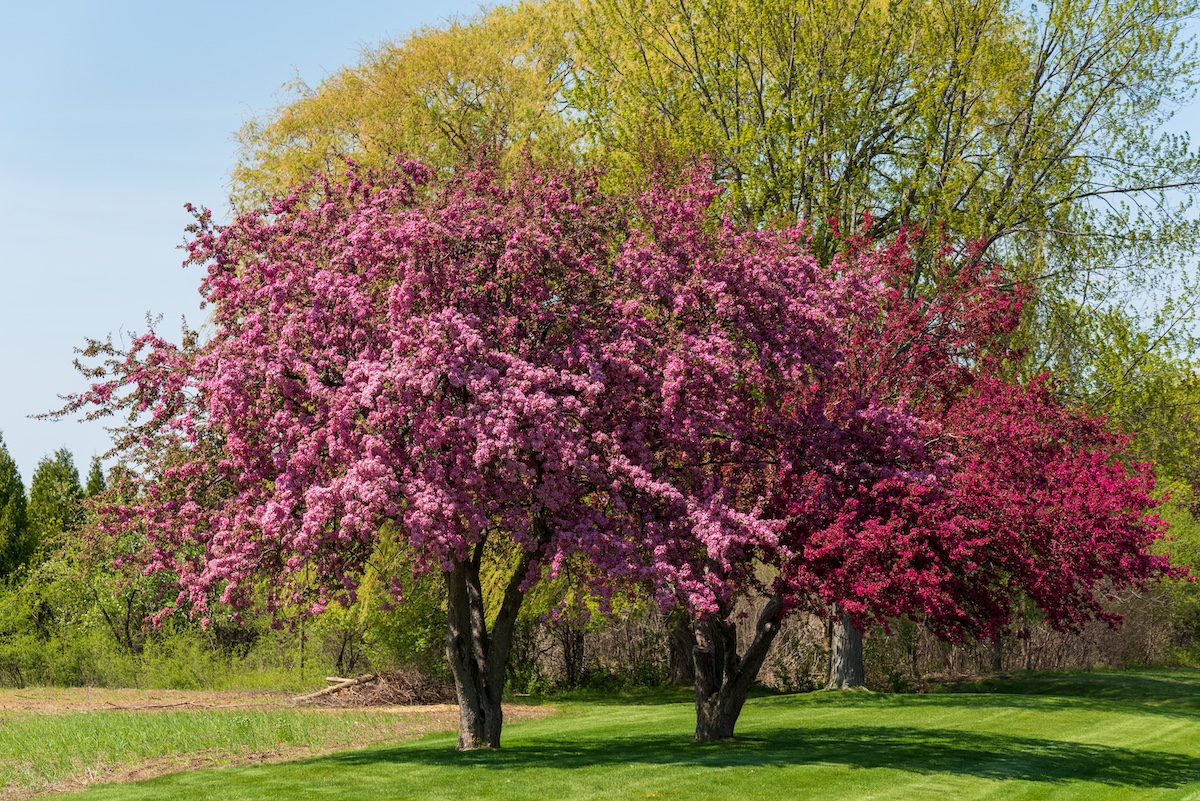
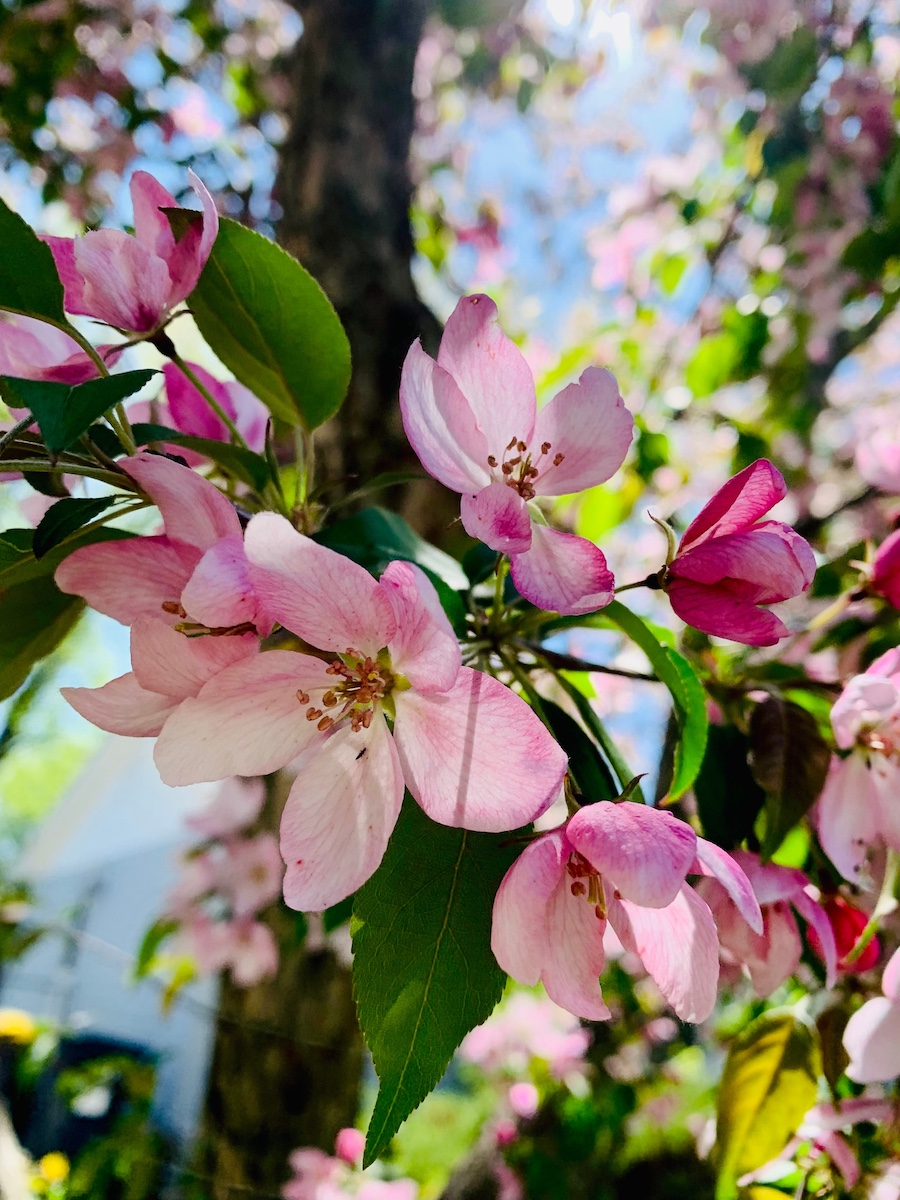
Crabapples are popular for a reason. In spring, they bloom in shades of pink, white, or red. Many varieties grow small fruit later in the season. Newer varieties are much easier to deal with than older ones. They are bred to resist common diseases and are less messy, which makes them a solid, low-maintenance choice.
Eastern Redbud
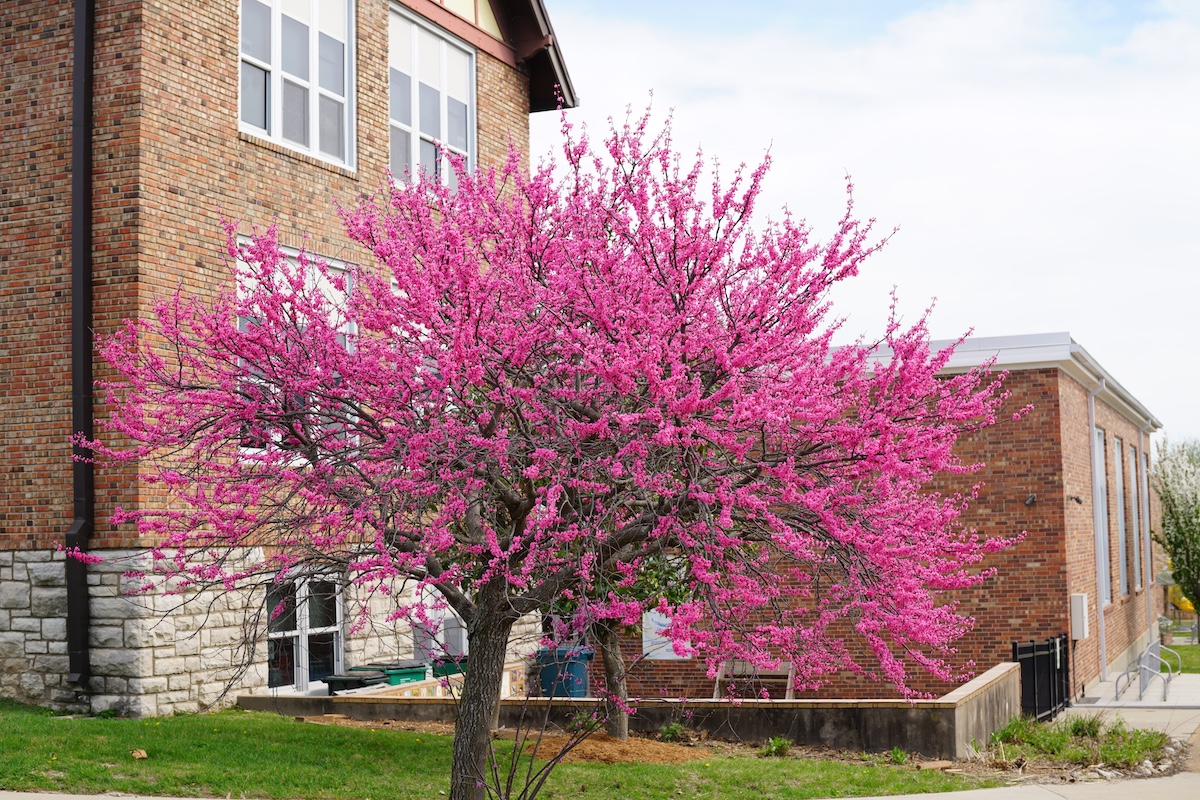
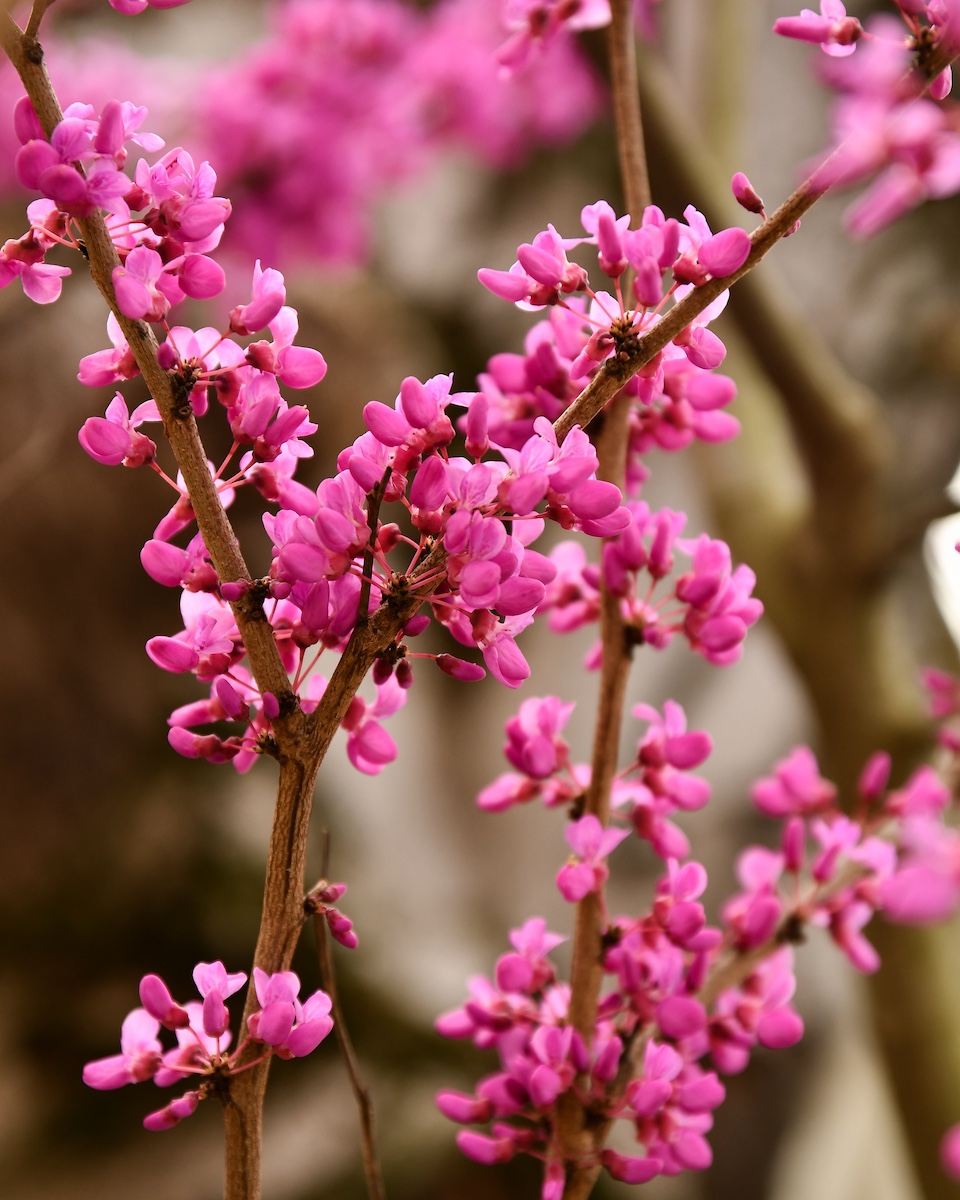
Eastern Redbuds are one of the first signs of spring in the Chicagoland area. They bloom early, with bright pink or purple flowers that show up right along the branches before the leaves even come in. They stay on the smaller side and have a soft, natural shape that works well in front yards. They do best in well-drained areas and tend to struggle if the soil stays too wet.
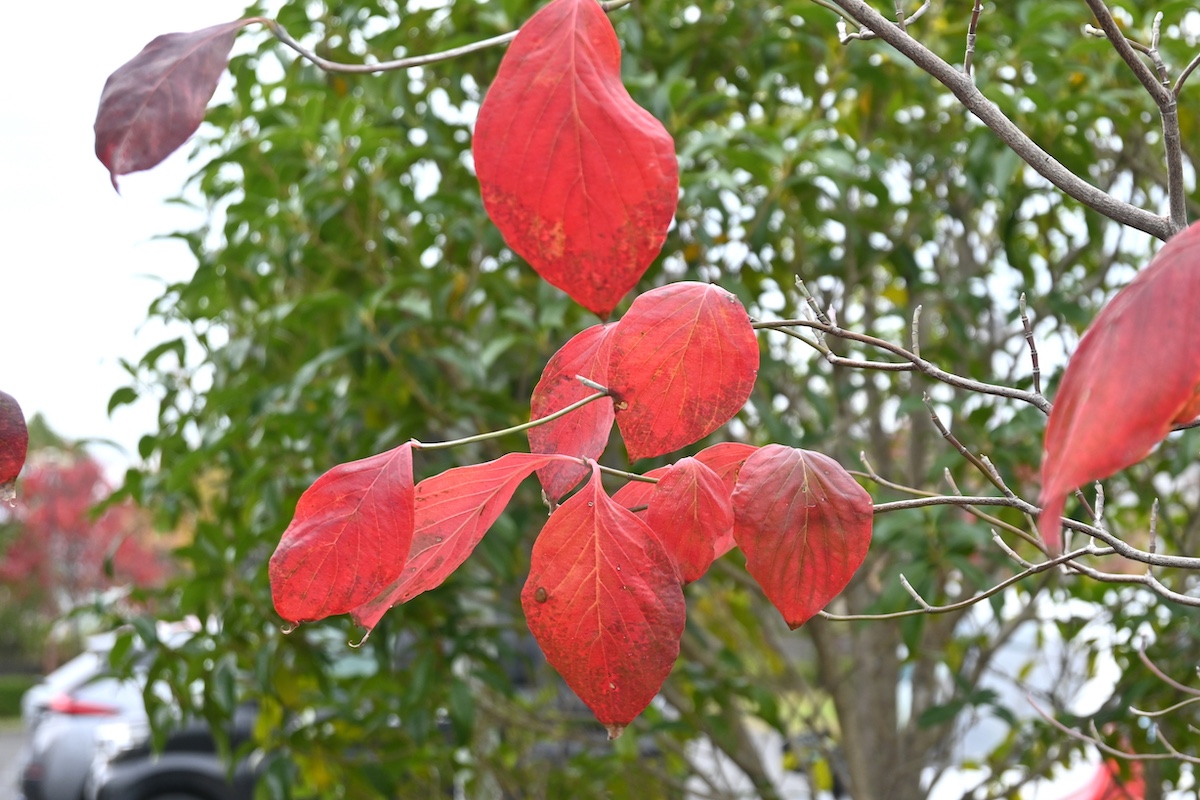
Flowering Dogwood
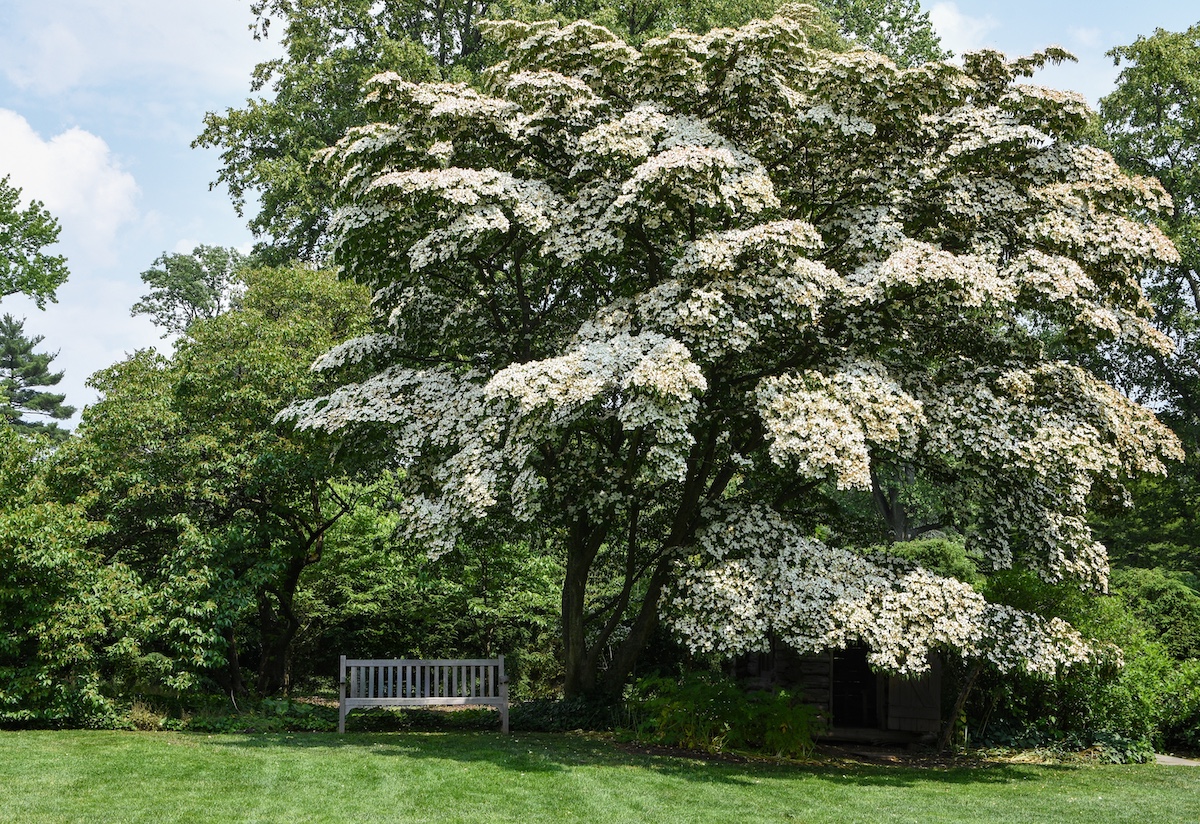
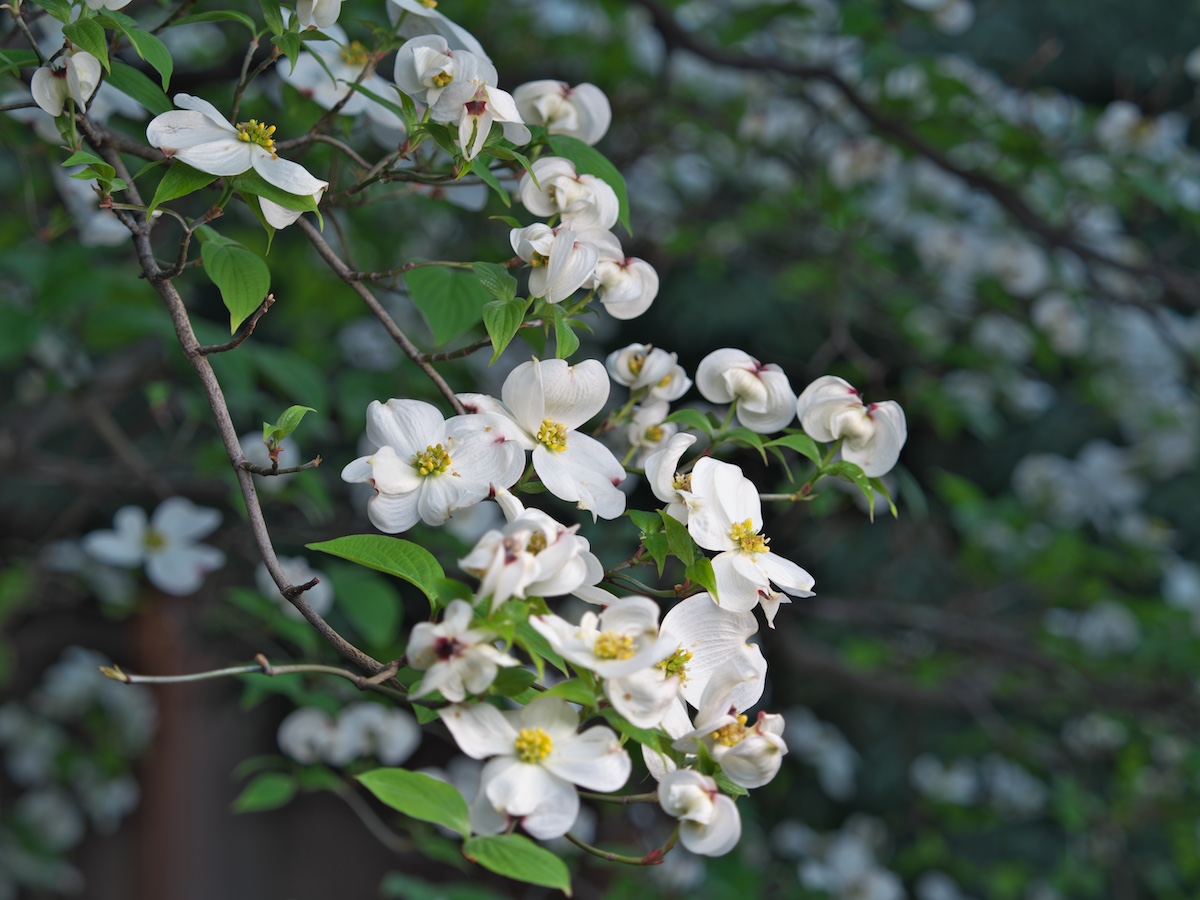
In spring, Dogwoods fill out with white or light pink blooms, and in the fall, their leaves turn a deep red. They look great in slightly protected spots, especially when they are not exposed to constant wind or other harsh conditions. They can be a little sensitive, so placement matters more with this one.


Japanese Tree Lilac
This one blooms a little later than most ornamental trees, usually in early summer. You will see large clusters of white flowers that stand out, especially when most other trees have already finished blooming. It has a more upright shape and is one of the tougher options on this list. It handles urban conditions well and is generally a reliable choice.


Serviceberry
Serviceberry gives you something in every season. White flowers appear in early spring, followed by small berries in the summer, and then a strong red or orange color in the fall. It often grows as a multi-stemmed tree, giving it a more natural look. This is a good fit if you want something that feels a little less structured and more like it grew from seed.
What to Consider Before Planting Ornamental Trees
Ornamental trees may be smaller, but they can add a lot of character. However, they still need the right conditions to grow and thrive. The right choice for your property depends on available space, soil conditions, sun exposure, and the level of maintenance you are willing to take on.
Soil Conditions Matter
Heavy clay soil in our area can limit root growth and drainage. Some ornamental trees tolerate this better than others.
Sunlight Requirements
Many flowering ornamental trees need full sun to perform well. Planting them in the shade can reduce blooms and overall health.
Space and Placement
Even smaller trees need room to grow. It is important to consider mature height and width, especially near homes, sidewalks, and driveways.
Maintenance Needs
Some ornamental trees require more pruning or are more sensitive to pests and disease. Choosing the right tree from the beginning can make long-term care much easier.
Ornamental trees do not need to be big to make an impact. The right one can completely change how a yard looks and feels. That said, not every tree works in every spot. Soil conditions, sunlight, and space all play a role in how well a tree performs over time. If you are considering adding ornamental trees or are not sure what would work best in your yard, Abbott Tree Care can help you make the right call.